For a good overview of HSK1-3 grammar elements, have a look at ChineseGrammarWiki. For a comprehensive explanation on difficult to grasp grammar elements, I highly recommend the free videos from “Twin Cities Chinese Tutor” Luke Wang on “Chinese Grammar Simplified”. The playlist is available from here.
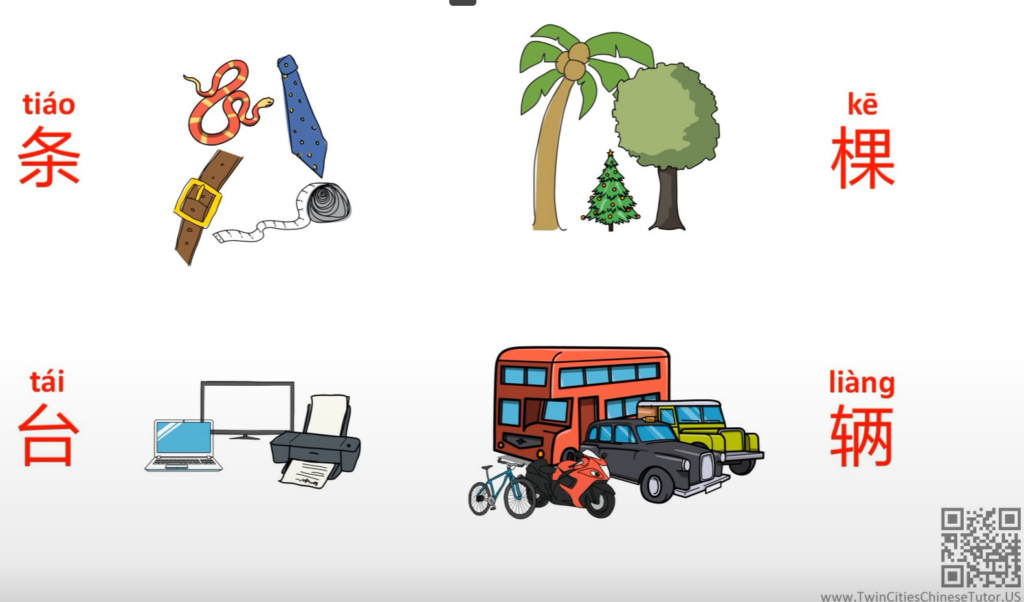
Chinese Measure Words 量词
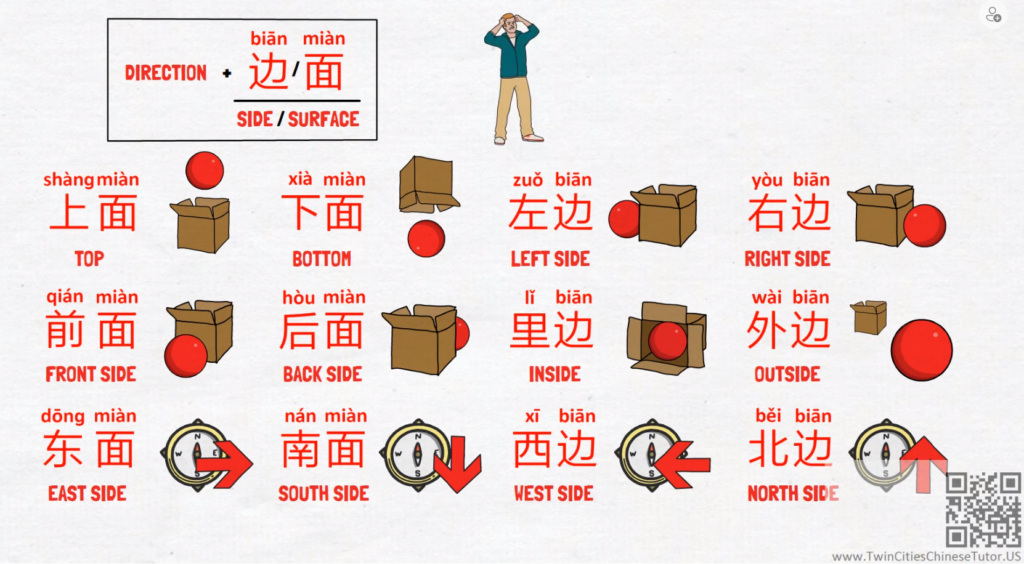
Locations and directions in Chinese
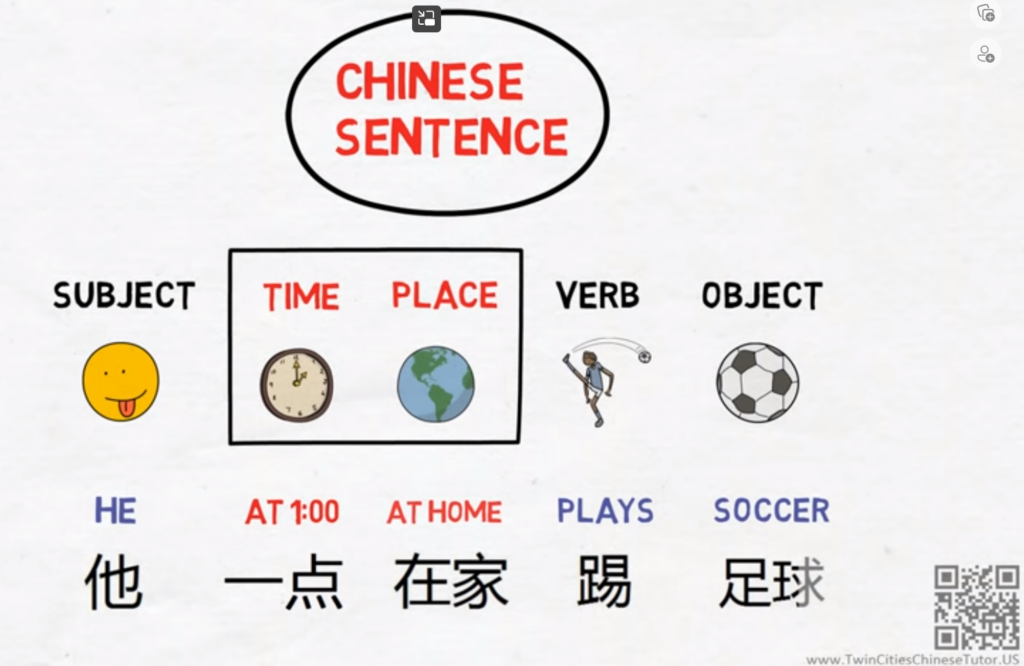
Chinese Sentence Structure
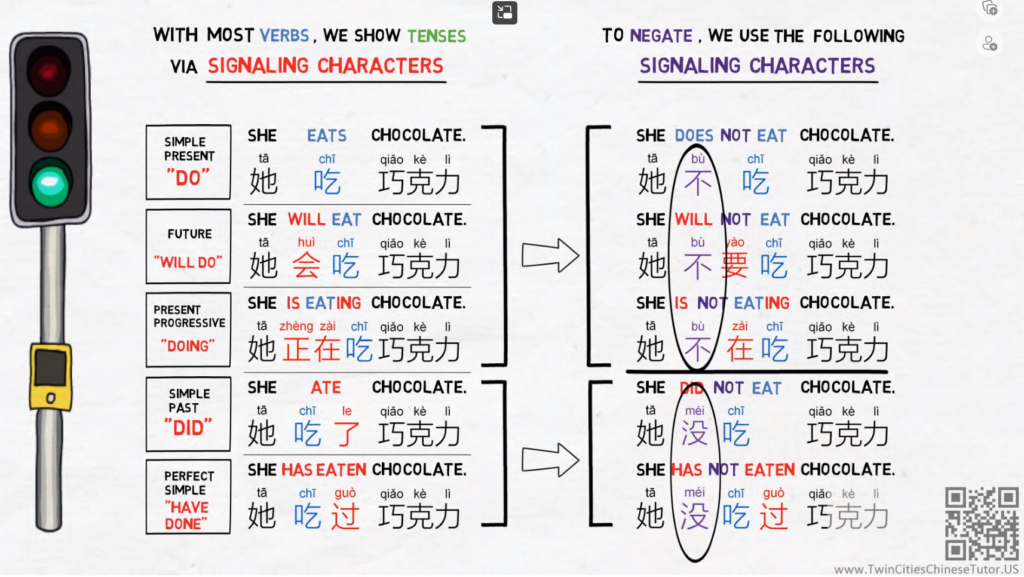
5 Basic Chinese Tenses
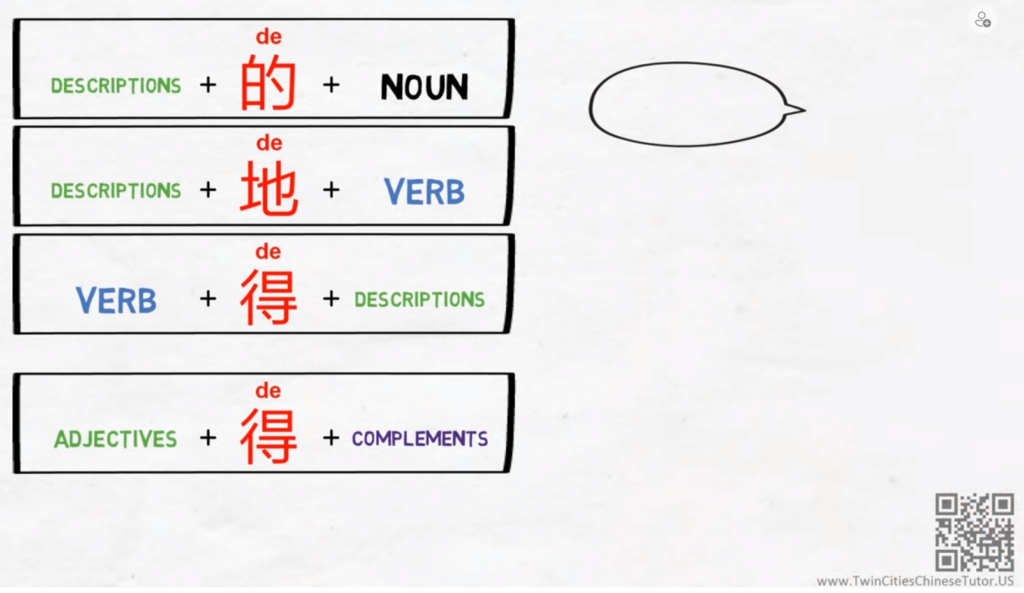
De’s (的, 地, 得) as “Structural Particles”
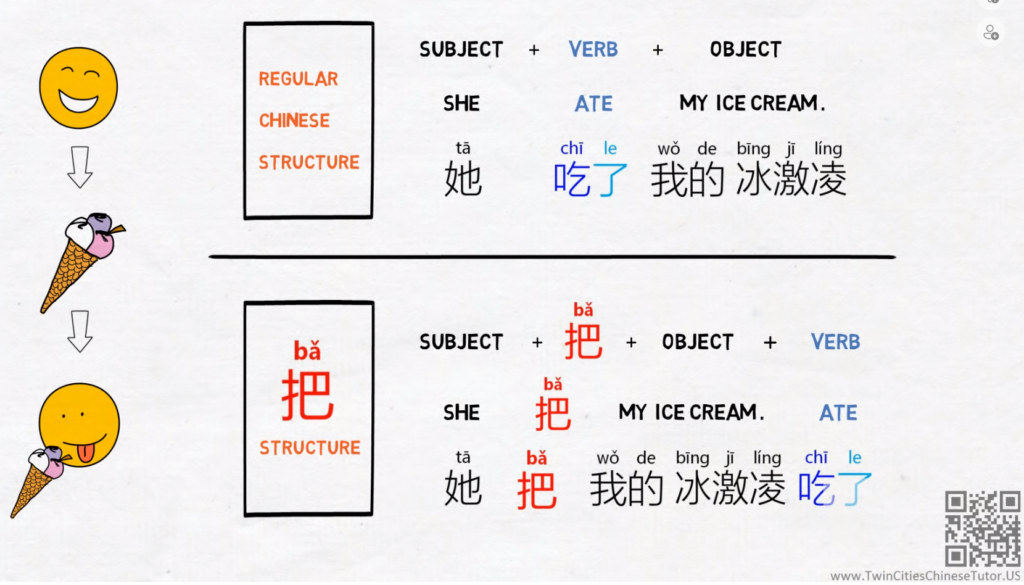
use 把 (ba) structure to emphasize the verb
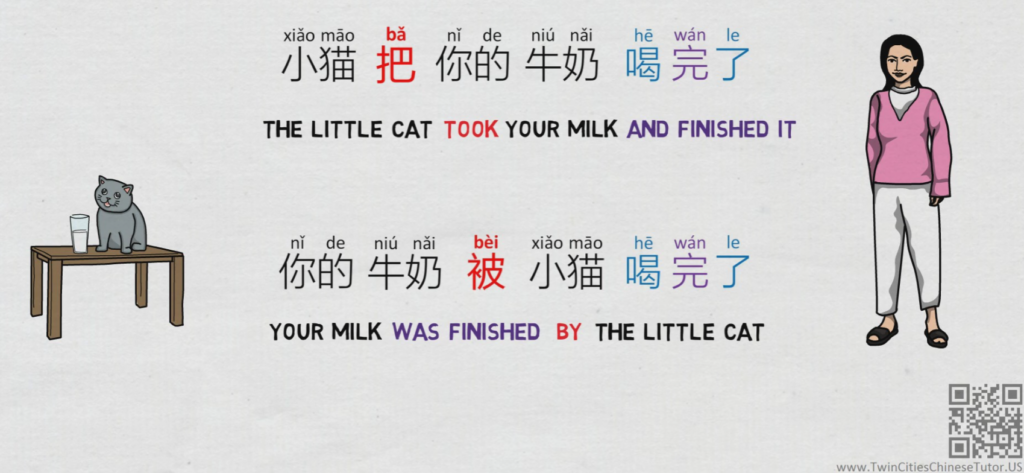
Use 被 (bei) pattern to express the Passive Voice in Chinese
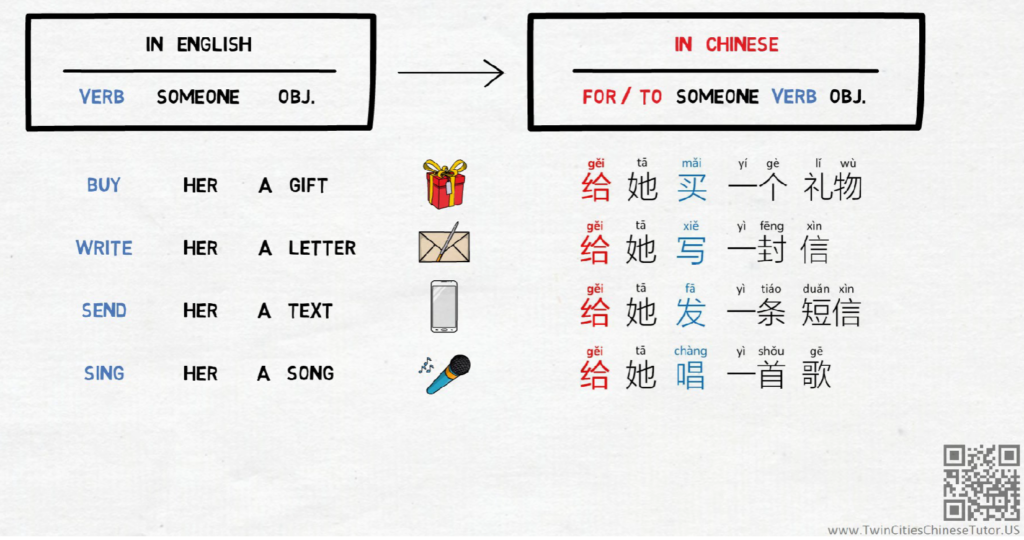
The Mystery of 给 as a Preposition
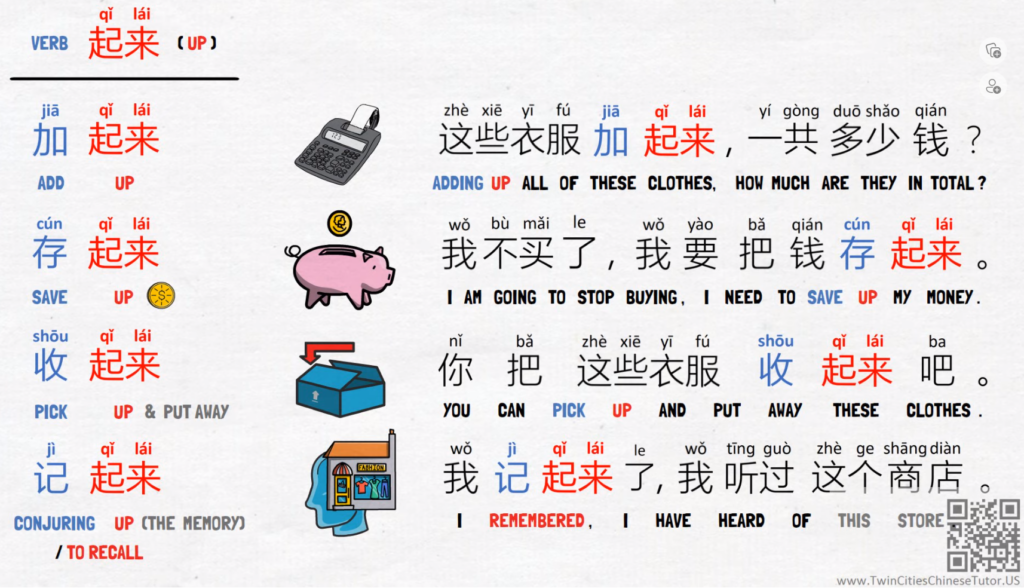
Top 5 ways to use 起来 (qi lai) as a verb complement
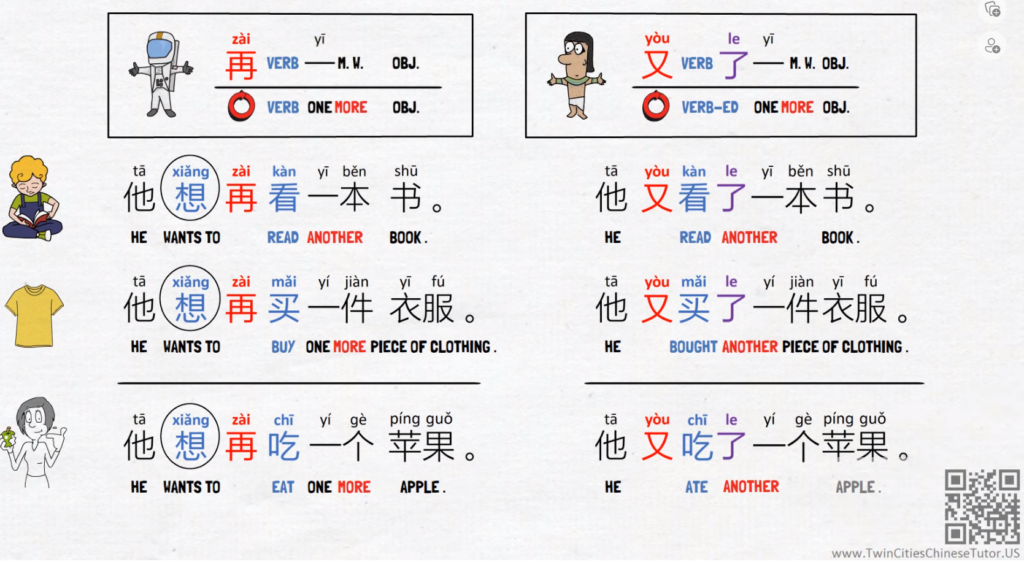
Comparing 再 (zai) /又 (you) / 多 (duo) /少 (shao) + Verb
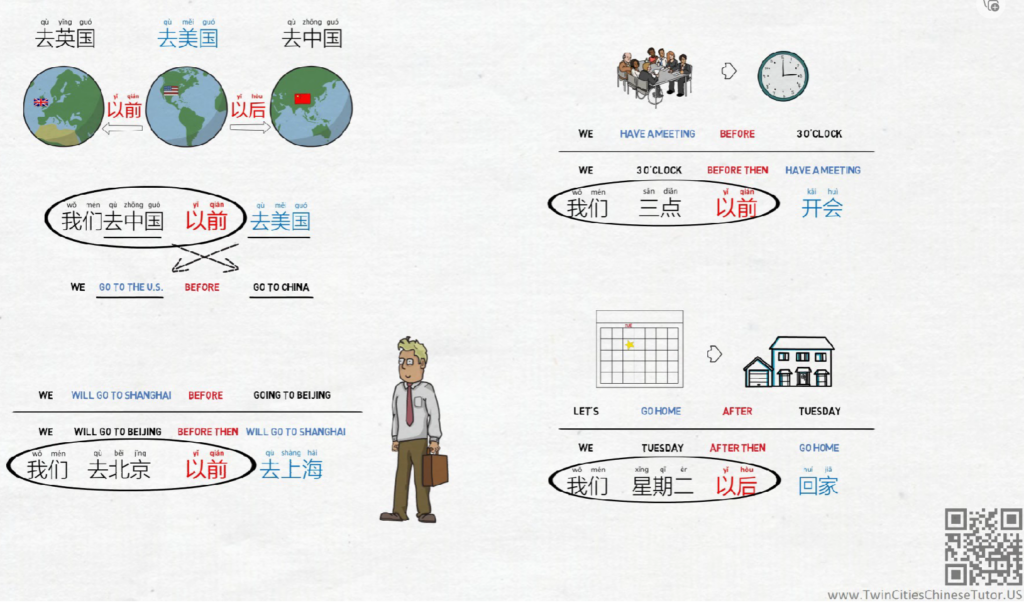
before and after 以前 & 以后
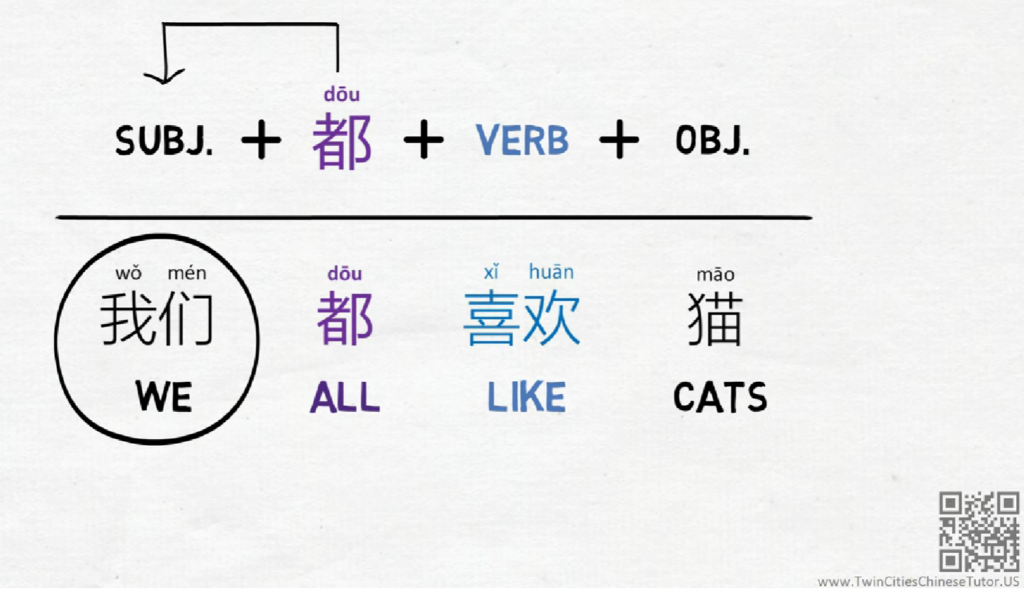
All / both (都)
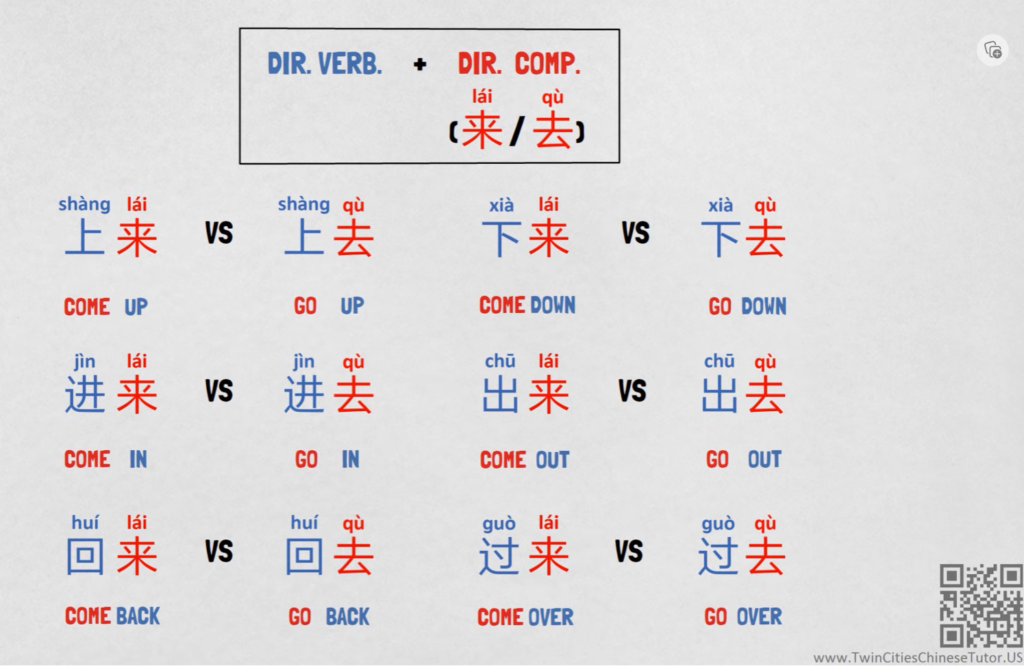
Directional Complements (part 1)
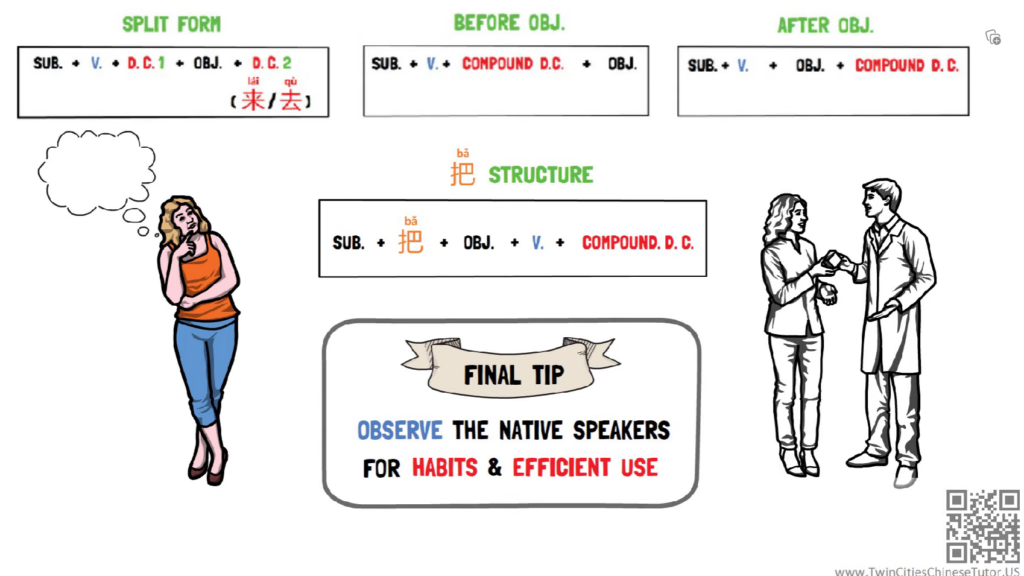
Directional Complements (part 2)
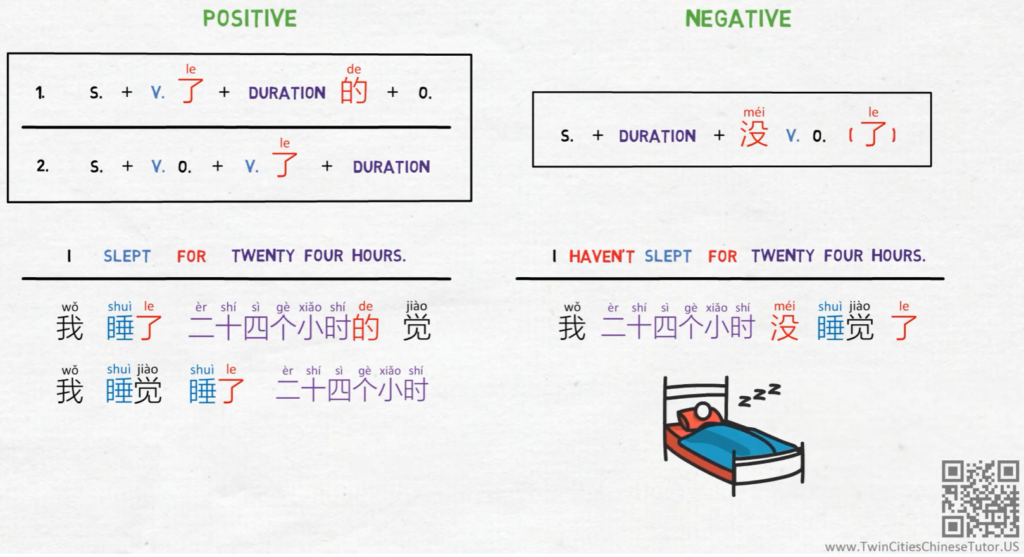
Duration of actions
Grammatical elements
| 汉字 | 拼音 | 英文 | 定义 |
| 名词 | Míngcí | Noun | Subjects and objects in sentences |
| 代词 | Dàicí | Pronoun | Words that can be used in place of nouns (我,你,他,他们,) |
| 敬语 | Jìng yǔ | Honorific | Respectful titles (女士,先生,老妈,老爸,) |
| 动词 | Dòngcí | Verb | Represent the action or state of being of the subject |
| 形容词 | Xíngróngcí | Adjective | Modify people or things (很,的,又,最,) |
| 副词 | Fùcí | Adverb | Modify verbs and adjectives (非常,马上,) |
| 状语 | Zhuàngyǔ | Adverbial | Extend adverbs. Describe time, manner and location associated with the verb in a sentence |
| 从句 | Cóngjù | Clause | A group of words that contains a subject and a verb that have a relationship |
| 数次 | Shù cì | Numeral | 一, 二, 三,十,百,千,万,亿,几,多,少, |
| 量词 | Liàngcí | Classifier | Measure words (个,件,双,) |
| 拟声词 | Nǐ shēng cí | Onomatopoeia | Noises and sounds (哈哈,呵呵,嘿嘿,) |
| 介词 | Jiècí | Preposition (Coverb) | A noun’s position or direction relative to another noun (在,) |
| 连词 | Liáncí | Conjunction | Connect ideas in a sentence (和,但, 所以,) |
| 助词 | Zhùcí | Particle | Define the mood, time or relationship between sentence elements (啊,吗,吧, 呢,) |
| Punctuation Mark | 。(句号),(逗号)、(顿号):(冒号);(分号)?(问好)!(惊叹号)「…『…』…」(引号) |